The importance of a flexible business in a post-Covid world
The COVID-19 pandemic forced companies all over the world to upend how they practice business. Protecting the health and safety of employees and customers whilst simultaneously attempting to continue operations and uphold productivity levels became a balancing act for many organisations, and only a small number were ready for the challenge.
Whether your business has embraced a new level of flexibility over the last 18 months through complete remote working or simply allowing employees to fit work around other commitments, such as caregiving or home schooling, it seems clear that post-pandemic the impact on businesses will not be a temporary one.
As we rethink business logistics, the opportunity arises for organisations of all sizes to advance and experience a more flexible culture, focus on efficiency and prepare for the future.
Give employees flexibility
It comes as no surprise that many office workers have contrasting feelings on whether they want to return to the office full time or not. Employers therefore need to examine ways to ensure that they can better support staff in a home working environment whilst also being mindful of employees that do want to return to the office.
There are many obvious advantages to working from home that can generate greater productivity and staff retention. Employees can enjoy a better work/life balance, tedious commute times and the costs associated with travelling to work have been reduced and more flexibility surrounding working hours means that past difficulties, like school pick-ups, are now much easier to overcome. Additionally, connectivity has improved for many workforces over the last 18 months as colleagues have found a way to engage on a more human level with video calls and chats about topics outside of the workplace.
However, not everyone is suited for remote working and while video calls can help improve face-to-face contact, some employees miss the communication and social interaction that comes easily with an office environment. At a time when employee wellbeing and wellness has never been more critical, providing staff with a more flexible way to work will lead to a happier and more productive workforce, therefore increasing employee retention and reducing staff turnover.
Save money on overheads
As a business, it is important for you to seek out ways to save money and reduce overheads. Becoming a highly flexible businesses is a great way to achieve this for a number of reasons; Office space, travel costs and software expenses all add up and can become a huge burden on your company.
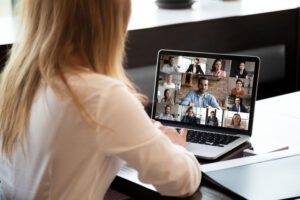
By becoming more flexible and allowing for communications through video conferencing your business can appreciate essential cost-savings. This is even more important with restrictions still being placed on travelling abroad as video meetings are a much more practical way for employees to engage with customers and clients without losing that personal touch.
Furthermore, with more and more employees working remotely, now could be the time to review your office software. If you are currently running your business with an on-premise system and paying for the maintenance of in-house servers then you could benefit migrating to a cloud software which will decrease the burden of expensive software overheads. In addition to considering your current software, you might also want to evaluate how much office space you really need and whether your finances could benefit from downsizing your office space.
Attract motivated self-starters
A further benefit of providing a flexible working environment is that you are more likely to attract motivated self-starters into your business. To work successfully in a flexible environment, professionals must be highly organised and deliver high-quality work with little management.
With remote working, those that really want to do well will recognise that they may need to work a little bit harder to get noticed and ensure that strong results are delivered with little-to-no guidance. Your employees will need to manage themselves and their own time, and those that do so well will stand out from the crowd.
Expand company reach
With successful remote working, geographical barriers are now a thing of the past. Many companies are no longer limited by geography when hiring. Businesses can now appreciate more flexibility during recruitment processes and can hire candidates who are perfectly suited for their job description with the relevant skills, rather than based on how close they might live to the office.
Not only does this mean that organisations have access to a much wider talent pool, but it is also a positive for generating a larger reach amongst clients and customers. Unless you are required to be on site, a flexible and remote working business can now easily work with clients from all over the country or even on a global scale.
Future proof your business
Many organisations know exactly where they would like to take their business in the future, but do not have a clear idea about what is needed to ensure that their company doesn’t trip over hurdles along the way.
Business environments are constantly evolving with new technologies coming into place and changing consumer demands which can wreak havoc on even the best thought out plans. Unfortunately, we cannot predict the future and if 2020 has taught us anything, it’s that we need to be prepared for potential disasters and flexible to adapt to situations as and when they arise.
In order for your businesses to survive, it is important to be flexible and have strong future proofing in place for anything that might stand in your way.
There are sometimes breaks that come from the UK government, like the change to VAT for hospitality businesses last year, but these sorts of things are few and far between.
There is no denying that the past eighteen months have been unprecedented and uncertain, though that’s not to say there weren’t positives as well.
It’s clear that many businesses were not prepared for the effects of Covid-19 and the ongoing economic turmoil.
Making your organisation as flexible as possible is the best way to future proof and will allow you to be more prepared for unknown events going forward. You can also read our blog with crisis advice for Not For Profits, if something similar were to happen in the future.
How can Solutions for Accounting & CRM help?
As the UK’s leading business management software solutions provider, Cloud specialists. We can help you successfully migrate to this more advanced platform and tailor it to your business needs.
Our expert team consists of qualified accountants, product-accredited staff and talented developers.
So, if you’re considering migrating to a Cloud system and want to be sure you’re making the right decision, get in touch today to see how we can help.