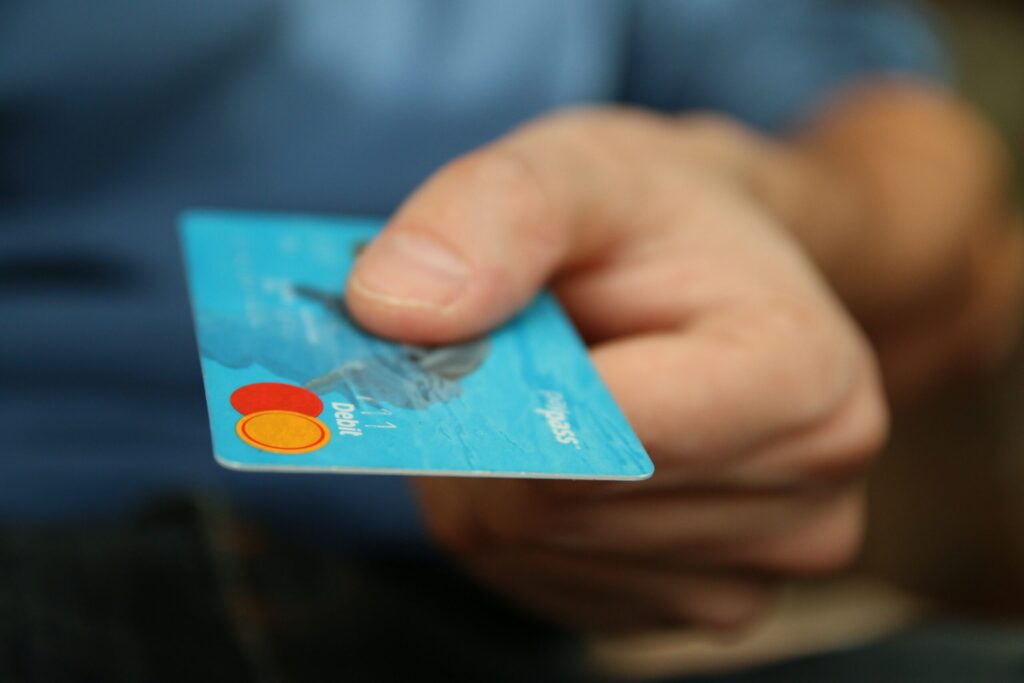
From January next year, businesses will no longer be able to charge consumers extra who are paying via credit or debit cards.
Campaigners are jubilant at the decision claiming its great news for consumers. Airlines and food delivery companies were the largest culprits and the treasury estimates that in 2010 alone consumers spent a total £473 million more from these charges.
The new ruling was brought out by a directive from the European Union which prohibits surcharges on Visa and MasterCard payments.
The British government has decided to ban surcharges on American Express and PayPal users to avoid further outcry for fairer trading laws.
Which companies are charging more?
Until this decision is enforced, using credit cards to buy airline tickets (for specific airlines) results in an average charge of 2-3%. A lot of airlines have been reducing their charges over the last year, but all airlines identified as perpetrators have since released statements of compliance and some have even agreed to scrap the charges immediately instead of waiting for the New Year.
This is great news for consumers, but not so great for the company. Food delivery apps have been found to charge, on average, 50p extra if the consumer uses a credit or debit card and therefore have been found as some of the highest charging businesses by the treasury despite the charges occasionally being paid by the restaurants themselves.
HM Revenue and Customs has been found to charge up to 0.6% extra for credit card payments along with many local authorities who have been found charging as much as 2.5% extra.
All these companies will have to change their payment guidelines, including the DVLA who will have to change their practises of charging a £2.50 flat fee for card payments.
Price increases
Banks typically charge large retailers between 10p and 20p for each debit card transaction, or 0.6% for credit cards.
Even larger charges are given to smaller traders meaning many people predict that to cover these charges shops will simply raise their prices to gain the same revenue without breeching the new regulations.
James Daley, the managing director of Fairer Finance, which has been campaigning for the change claims under Consumer Rights Regulations businesses are only allowed to charge a sum that reflects their own costs in processing a transaction, however many businesses haven’t been following these rules.
He encourages businesses to put the charges in the headline price to not trick the public and consumers into committing to the transaction to later find out it is more expensive than they thought.
Only time will tell if these new regulations will be an advantage for consumers or if we will all have to pay the higher prices regardless of using a card or not.